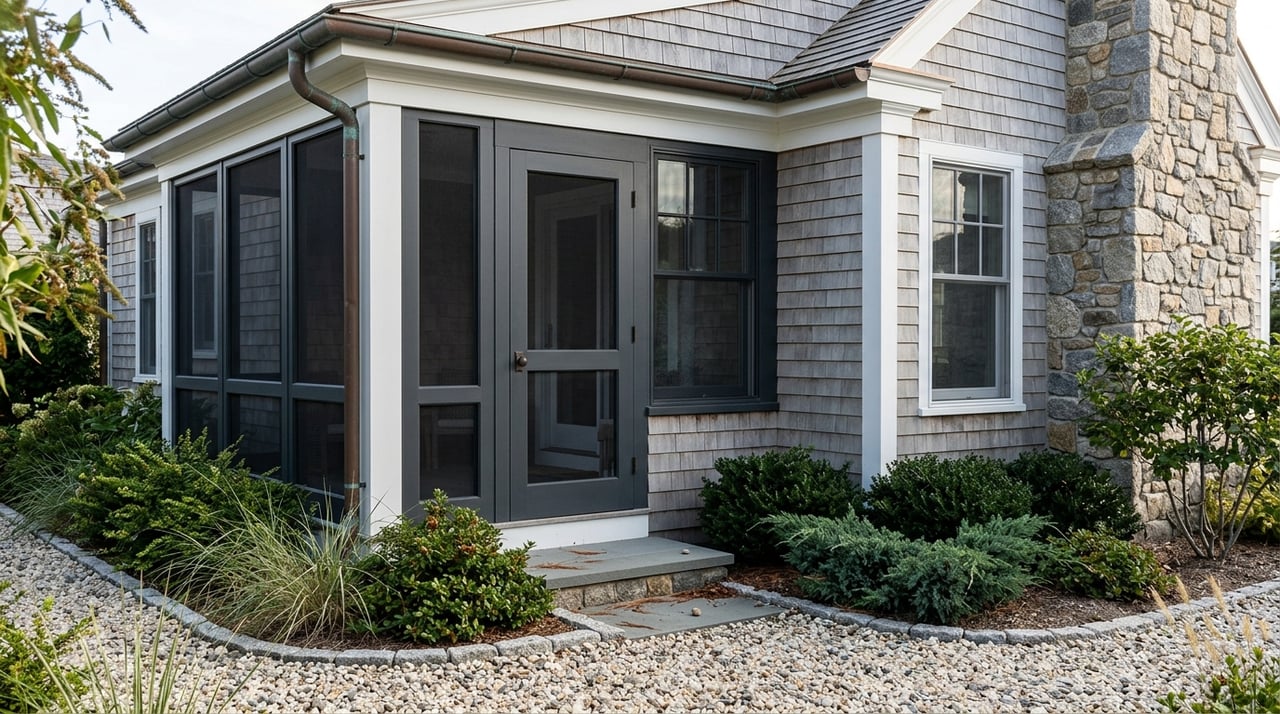
Living in Rye New Hampshire: A Look at Coastal Life
June 4, 2026
June 4, 2026
What does daily life really feel like in Rye, New Hampshire? If you are drawn to the coast, you may be wondering whether Rye lives more like a lively beach destination or a quieter residential town by the ocean. The answer matters when you are choosing not just a home, but a lifestyle. In this guide, you will get a clear picture of beachside living, everyday routines, and practical realities in Rye. Let’s dive in.
Rye is one of New Hampshire’s most distinctly coastal towns. According to the town, Rye has eight miles of coastline, the longest in the state, along with three serpentine beaches, about 850 acres of salt marsh, and roughly 2,000 acres of public and conservation land.
That shapes daily life in a very specific way. Rye feels more connected to water, open space, and scenic roads than to a busy downtown or dense commercial center. If you are looking for a low-key coastal setting with strong outdoor access, Rye offers a lifestyle that is calm, scenic, and rooted in the shoreline.
The town’s population was 5,500 in 2020, and the town also highlights its strong volunteer culture and close relationship with nearby Portsmouth. In practical terms, that means you get a small-town setting with access to a broader Seacoast network when you want more dining, services, or activity.
One of the biggest draws in Rye is how closely daily life can connect to the ocean. Still, each major beach area has its own personality, and that can influence what your routine actually looks like.
Jenness State Beach offers a more compact beach-town experience. The state park describes it as a family-friendly Atlantic beach with sand, swimming, fishing, picnic space, showers, a bathhouse, and metered parking for 67 cars.
For daily life, Jenness can feel convenient and classic, especially if you enjoy shorter beach visits or quick stops by the water. In the off-season, access is still allowed, though the park is typically unstaffed and comfort stations are unavailable.
Wallis Sands State Park is the most developed of Rye’s major beach destinations. The park includes a sandy beach, oceanfront swimming, views of the Isles of Shoals, a store with food and drinks, a large bathhouse with outdoor rinse stations, picnic tables, and parking for 500 cars.
If you picture a fuller beach day with more on-site amenities, Wallis Sands may be the best fit. Like the other state beach areas, it typically becomes quieter and less serviced outside the main season.
Rye Harbor State Park, also known as Ragged Neck, offers a different kind of coastal experience. Instead of focusing on a broad sandy beach, it is known for scenic Atlantic views, views of the Isles of Shoals and Rye Harbor, rocky coastline, saltwater fishing, picnicking, restrooms, and a pavilion area.
This setting tends to appeal to people who enjoy the visual side of coastal living just as much as the beach itself. It can be a place for a walk, a quiet picnic, or time spent taking in the shoreline rather than a traditional swim day.
A key part of living in Rye is understanding that beach access is managed carefully. This is not a free-form resort environment. It is a town where the shoreline is important, protected, and governed by clear seasonal rules.
According to Rye’s visitor information, dogs are allowed on town beaches only before 9:00 a.m. and after 7:00 p.m. from the Saturday before Memorial Day until the Saturday after Labor Day. The town also prohibits alcohol and smoking on town beaches.
Fires require authorization and, in some cases, a permit. Parking restrictions run from May 1 to October 1, and parking lots are closed from midnight to sunrise. The town also states that beach parking permits are available only to Rye residents and property owners.
For full-time residents and second-home owners, these rules become part of the rhythm of everyday life. If you value order, predictable access rules, and a more controlled beach environment, that may feel like a benefit. If you want unrestricted shoreline use and open public parking flexibility, Rye may feel more structured than expected.
While the beaches are central to Rye’s identity, daily life is not limited to the shoreline. The town also has a strong open-space and conservation character that adds variety to the coastal routine.
The Rye Conservation Commission lists multiple trail systems in town, and the Rye Town Forest supports passive recreation such as hiking, bird-watching, dog walking, biking, and cross-country skiing. The town notes that the forest is protected by a conservation easement designed to keep it natural, scenic, undeveloped, and open.
That matters if your ideal day includes more than beach time. In Rye, you can build a lifestyle around outdoor movement throughout the year, with options that shift naturally from summer shoreline walks to cooler-season trail use.
Rye also offers a strong scenic-driving experience. Town planning documents note that all of New Hampshire Route 1A in Rye is part of a scenic byway running from Portsmouth to Seabrook, and the route includes multiple scenic areas along Ocean Boulevard.
For residents, this means even everyday errands or short drives can feel visually rewarding. The coastline is not tucked away. It is woven into the way you move through town.
If you are considering Rye, it helps to set expectations around shopping, dining, and gathering places. Rye is more residential and coastal than commercial.
The town’s master plan materials point to ongoing attention to the town center and coastal commercial areas. Public workshop feedback specifically mentioned interest in more gathering places, a coffee shop, and a stronger town center.
That suggests a daily lifestyle that is casual and modest within Rye itself. You can enjoy the setting, the beaches, and the open space, while often looking to nearby Portsmouth for a wider range of dining, entertainment, and social options.
For many buyers, that balance is part of the appeal. You get a quieter home base without being cut off from a more active regional hub.
Beachside living is appealing, but it also comes with real planning considerations. In Rye, storm and flood awareness should be part of your decision-making.
The town’s flood-management information says Rye’s greatest flood threats come from hurricanes, seasonal storms, and seasonal high tides. The town also notes that standard homeowners insurance does not cover flood losses and that National Flood Insurance Program coverage has a 30-day waiting period.
Rye reports that 254 properties are currently insured within the floodplain. The town also advises residents to contact the Building Official before improving property in flood-hazard areas.
For buyers, this means due diligence matters. If you are considering a coastal or near-coastal property, it is wise to understand flood-zone implications, insurance timing, and improvement considerations early in the process.
Rye often appeals to buyers who want the coast to shape their daily routine. That can include full-time residents who value beach access and open space, second-home buyers who are comfortable with seasonal patterns and property maintenance, and relocation buyers who want a quieter Seacoast setting with access to Portsmouth.
It may be especially appealing if you enjoy scenic drives, walking trails, ocean views, and a more measured pace of life. Rye offers a lifestyle that feels grounded, outdoors-oriented, and visually connected to the shoreline.
On the other hand, Rye may be less ideal if you want a highly walkable retail district, an active nightlife scene, or unrestricted beach parking. The town’s limited commercial footprint and managed beach rules point toward a calmer, more structured coastal experience.
In a town like Rye, buying the right home is about more than square footage or finishes. It is also about how you want your days to feel.
Do you want to be close to the beach for early walks or evening views? Do you want easy access to trails and open land? Are you comfortable with seasonal beach rules and the responsibilities that can come with coastal property ownership?
Those questions help narrow the right fit. They also help you evaluate whether a home supports the routine, pace, and setting you want over time.
For sellers, that same lifestyle lens matters when positioning a property. Rye buyers are often purchasing into an experience as much as a location, which makes presentation, setting, and livability especially important.
If you are exploring a move in Rye or anywhere along the Seacoast, working with an advisor who understands both property value and lifestyle fit can make the process more thoughtful and more efficient. To start that conversation, connect with Caren Logan Luxury Homes.


Work with a trusted advisor who combines market expertise with a refined, client-first approach to every transaction. With a focus on personalization and detail, each experience is thoughtfully tailored to align with your goals and lifestyle. From first conversation to closing, expect a seamless, elevated process defined by professionalism, care, and results.